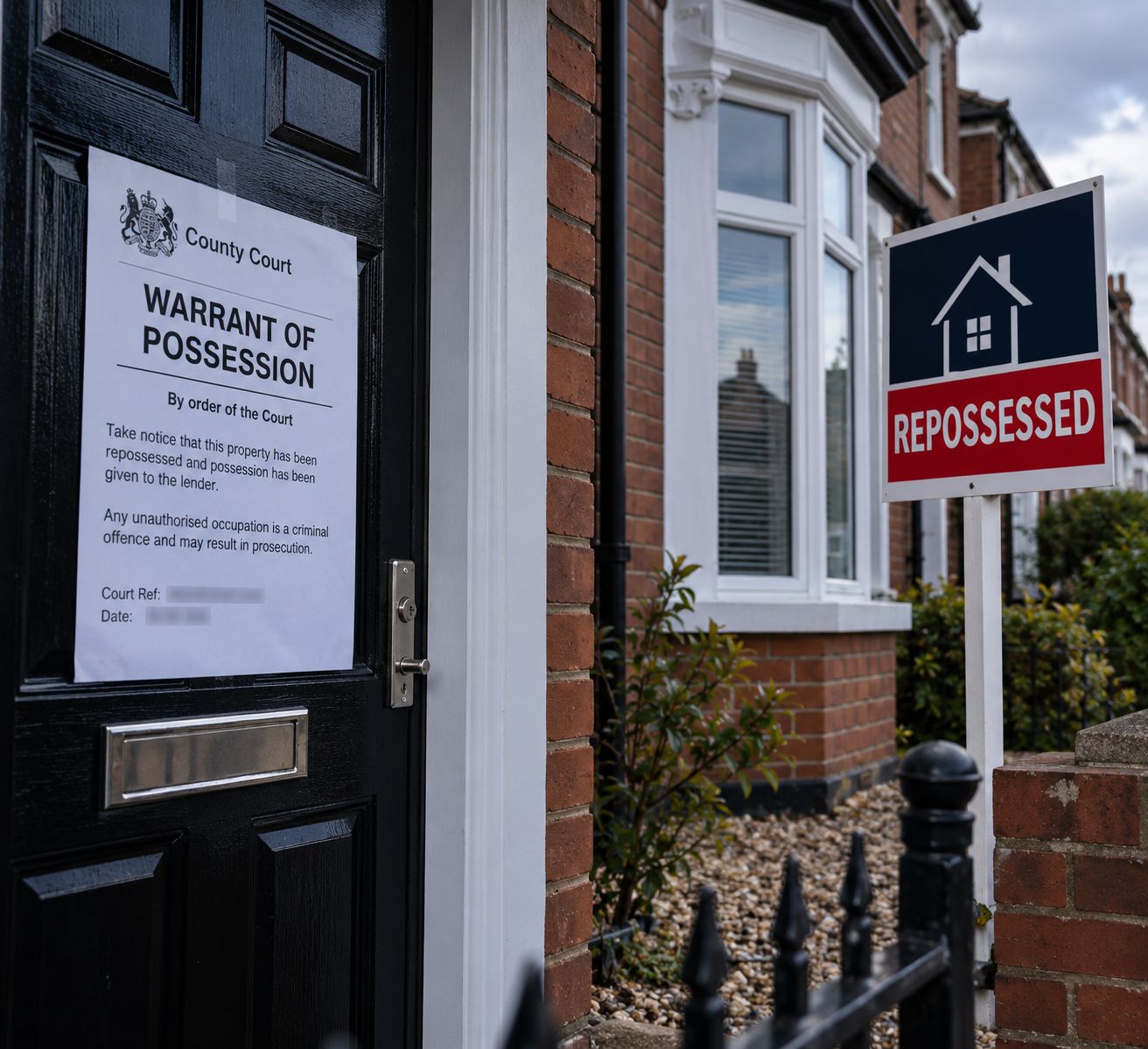
Stop Repossession Or Sell Your Home? Options Explained
If you have fallen behind on your mortgage, it often comes down to one question: do you try to stay, or do you sell while you still have some control? There is no single right answer, and the earlier you look at it, the more choice you tend to have.
In short
- Repossession only happens after a court process, so there is usually time to act
- Your equity, arrears, income and other debts decide which options are realistic
- Selling early can protect your equity, but nothing about timing is guaranteed
- Independent legal and financial advice is important before you decide
What the decision really comes down to
Most people in this position are weighing up two routes. One is to try to stop the repossession and keep the home. The other is to sell and take back control before the legal process moves on.
Which one makes sense depends on your circumstances. For some homeowners, a little breathing space and the right support is enough to get back on track. For others, selling is less stressful in the long run.
What shapes your options
- Equity. The more you have, the more room you have, whether that means refinancing, raising funds, agreeing a payment plan or selling.
- Arrears. The larger they are, the less time you tend to have.
- Income. Stable, affordable income makes it easier to stay.
- Other debts. Credit cards, loans and other secured borrowing can narrow the options.
Option 1: agree a repayment plan with your lender
You stay in the property and clear the arrears over an agreed period. Expect to explain what happened, show your income and put forward a plan you can realistically keep to.
It works best when the difficulty is temporary and your income has settled. The catch is that the lender has to agree, and you need to keep up the payments once it is in place.
Option 2: ask the court for a suspended possession order
This is a court route that pauses repossession as long as you stick to agreed repayment terms. The court will want to see a realistic plan for the arrears and evidence that you can afford it, along with your ongoing mortgage payments.
It buys time, but if payments are missed the process can start again quickly.
Option 3: remortgage or raise finance
Some homeowners remortgage, or use specialist short-term finance, to clear arrears, pause proceedings or give themselves time to sell. It is not guaranteed, the cost can be higher than a standard mortgage, and you need a clear way to repay it. It can suit people who have equity and a defined plan.
Option 4: sell on the open market
A normal sale can take weeks or months. If the property is on the market, a lender or the court may agree to give you time, but that is up to them and is never guaranteed.
Selling this way gives you the best chance of full market value and of keeping your equity. The drawbacks are the lack of a fixed timescale, agent fees, and the risk that a sale falls through or that the legal process moves faster than the sale.
Option 5: a managed or faster sale
This is where professionals handle the marketing, enquiries and the progress of the sale, aiming for a sensible balance between price and speed. It is usually quicker than the open market, but the price is likely to be lower than a full market sale.
Option 6: allowing repossession
If a possession order is granted and nothing else has worked, the lender takes possession and the property is usually sold at auction or quickly, often below market value. You could face extra fees and legal costs and a shortfall if the sale does not cover the mortgage, and your credit record may be affected for years. It is often the most costly outcome, which is why most people look at the other options first.
This article is general information and is not legal, financial or mortgage advice. We always recommend that you obtain independent legal and financial advice before deciding anything.
Your home may be repossessed if you do not keep up repayments on a mortgage or any other debt secured on it.